

Growing older is a natural part of life, and turning 60 can be the beginning of a new chapter filled with opportunities to enjoy family, hobbies, travel, and personal interests. However, maintaining good health becomes increasingly important as the body changes with age.
Many older adults experience changes in muscle strength, bone health, digestion, sleep, eyesight, hearing, and energy levels. Some may also need ongoing care for conditions such as diabetes, high blood pressure, arthritis, or heart disease.
The good news is that healthy lifestyle habits, regular medical checkups, proper nutrition, physical activity, and emotional support can help seniors maintain their well-being and independence.
In this guide, we will explore practical ways to maintain good health after the age of 60 and explain how families can support their elderly loved ones.
1. Eat a Balanced and Nutritious Diet
A healthy diet is one of the most important foundations of healthy aging. As people grow older, their nutritional needs may change, making it essential to choose foods that provide adequate protein, vitamins, minerals, fiber, and energy.
Foods seniors should include in their diet
- Fruits and vegetables: Provide vitamins, minerals, antioxidants, and fiber.
- Protein-rich foods: Include lentils, beans, dairy products, eggs, fish, or other suitable protein sources to support muscle maintenance.
- Whole grains: Choose oats, whole-wheat products, and other whole grains for fiber and sustained energy.
- Calcium-rich foods: Milk, curd, and other suitable calcium sources can support bone health.
- Healthy fats: Nuts, seeds, and appropriate amounts of healthy oils can form part of a balanced diet.
Seniors should also pay attention to portion sizes and choose foods that are easy to chew and digest when needed.
People with diabetes, kidney disease, heart conditions, or swallowing difficulties may require individualized dietary advice from a qualified healthcare professional.
2. Stay Physically Active Every Day
Regular physical activity can help seniors maintain muscle strength, mobility, balance, and cardiovascular health. It may also support mood, sleep, and the ability to perform everyday activities.
Suitable activities for older adults
- Walking at a comfortable pace
- Gentle stretching
- Chair-based exercises
- Balance exercises under appropriate guidance
- Light strength-training exercises
- Yoga adapted to individual abilities
Seniors who have mobility limitations or chronic health conditions should consult a healthcare professional before starting a new exercise routine.
The goal is to remain active safely and consistently rather than attempting strenuous activities beyond one’s abilities. Even small amounts of movement throughout the day can be beneficial.
3. Get Regular Health Checkups
Regular health checkups help identify potential health problems and allow healthcare professionals to review existing conditions, medications, and preventive care needs.
After the age of 60, health assessments may include:
- Blood pressure monitoring
- Blood glucose testing when appropriate
- Cholesterol assessment based on individual risk
- Vision and hearing examinations
- Dental checkups
- Bone health assessment when indicated
- Cancer screenings according to age, history, and medical advice
- Review of vaccinations and prescribed medications
The frequency of these assessments depends on the person’s health, family history, risk factors, and previous medical findings.
Do not wait for symptoms to become severe before seeking medical advice. Early evaluation can help identify problems that may otherwise go unnoticed.
4. Manage Chronic Health Conditions Properly
Many seniors live with one or more long-term health conditions. These may include diabetes, hypertension, arthritis, heart disease, or respiratory problems.
Proper management can help reduce complications and support a better quality of life.
Important tips for managing chronic conditions
- Take prescribed medications as directed.
- Attend scheduled medical appointments.
- Monitor blood pressure or blood glucose when advised.
- Follow a suitable diet and activity plan.
- Keep medical reports and prescriptions organized.
- Inform healthcare professionals about all medicines and supplements being taken.
- Report new or worsening symptoms promptly.
Never stop, change, or add medication without consulting the prescribing healthcare professional.
5. Maintain Healthy Bones and Strong Muscles
Bone density and muscle strength can decline with age. This may increase the risk of fractures, difficulty walking, and falls.
To support bone and muscle health:
- Include sufficient protein in your diet.
- Obtain calcium and vitamin D through suitable dietary sources and supplements when recommended.
- Perform appropriate strength-building and weight-bearing activities if medically suitable.
- Avoid smoking and limit alcohol consumption.
- Discuss bone health assessments with your healthcare professional when appropriate.
- Seek advice about persistent joint pain or difficulty moving.
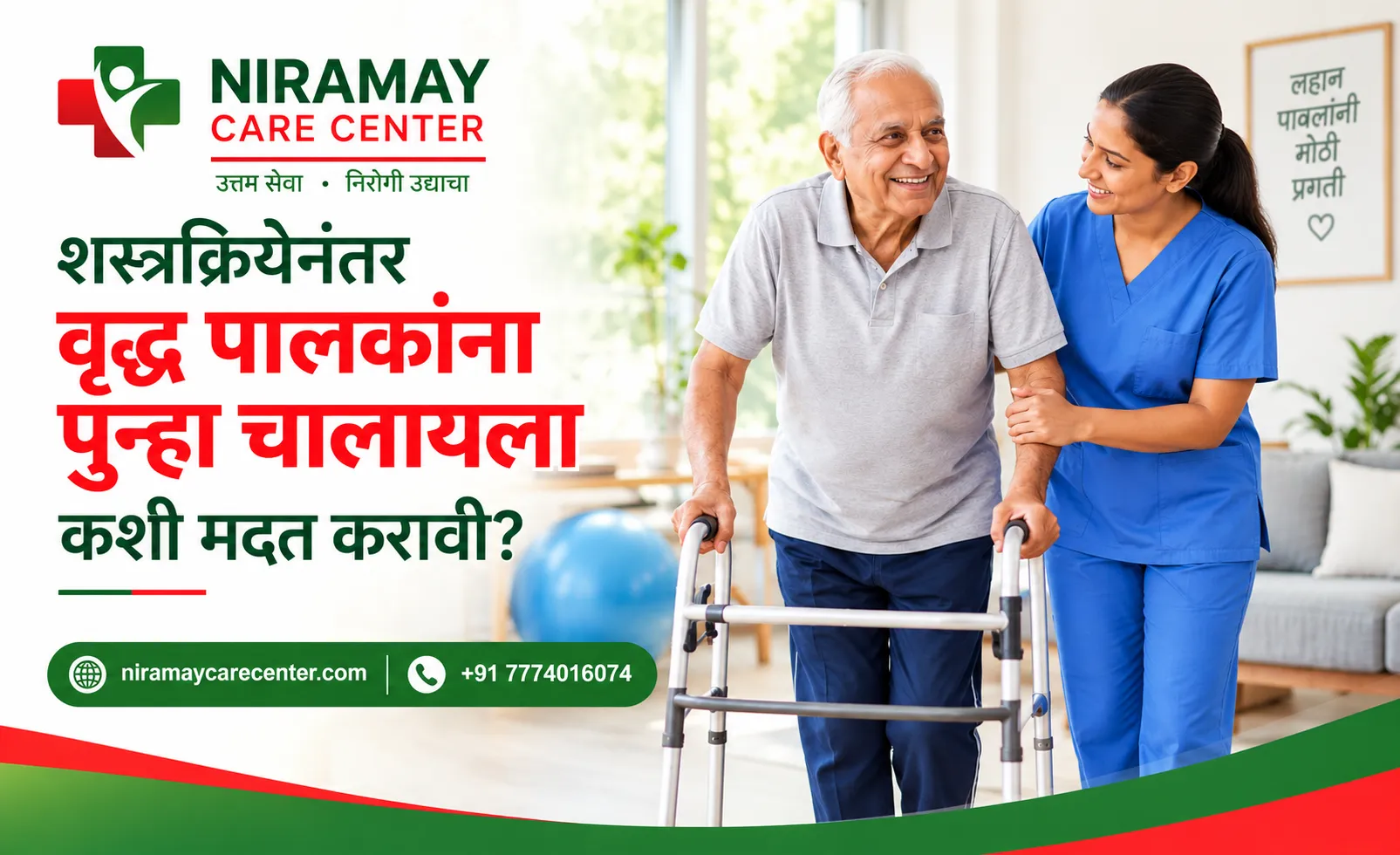
Physiotherapy may also help seniors who need support with strength, flexibility, balance, or recovery following an illness or injury.
6. Drink Enough Water and Support Digestive Health
Older adults may not always recognize thirst as easily as younger people. Some may also drink less water because of mobility problems or concerns about frequent urination.
Insufficient fluid intake can contribute to dehydration and constipation.
Healthy hydration and digestion habits
- Drink fluids regularly throughout the day, unless a healthcare professional has prescribed a fluid restriction.
- Include fiber-rich foods such as fruits, vegetables, whole grains, and legumes.
- Maintain regular meal times.
- Stay physically active according to your abilities.
- Discuss persistent constipation or digestive discomfort with a healthcare professional.
People with kidney disease, heart failure, or other conditions requiring fluid restrictions should follow their prescribed fluid plan rather than increasing water intake independently.
Seek medical evaluation for persistent digestive symptoms, blood in the stool, severe abdominal pain, or unexplained weight loss.
7. Get Quality Sleep
Good sleep supports physical recovery, concentration, memory, and emotional well-being. However, some seniors experience difficulty falling asleep, waking frequently during the night, or feeling tired during the day.
Healthy sleep habits may include:
- Going to bed and waking up at consistent times.
- Getting daylight exposure during the day.
- Engaging in suitable physical activity.
- Limiting caffeine, especially later in the day.
- Keeping the bedroom quiet, comfortable, and dark.
- Avoiding heavy meals close to bedtime.
- Discussing persistent sleep difficulties with a healthcare professional.
Loud snoring, gasping during sleep, persistent daytime sleepiness, or ongoing insomnia should be evaluated rather than dismissed as a normal part of aging.
8. Take Care of Mental and Emotional Health
Good health involves more than physical fitness. Emotional well-being, meaningful relationships, and mental stimulation are equally important for healthy aging.
Retirement, bereavement, reduced mobility, chronic illness, and social isolation can sometimes affect a senior’s emotional health.
Ways to support emotional well-being
- Spend regular time with family and friends.
- Participate in community or social activities.
- Enjoy hobbies such as music, gardening, reading, or painting.
- Try puzzles, games, and other mentally engaging activities.
- Maintain a comfortable daily routine.
- Talk openly about worries, loneliness, or changes in mood.
- Seek professional support when sadness, anxiety, or loss of interest persists.
Families should take ongoing changes in mood, behavior, memory, or daily functioning seriously and arrange medical assessment when needed.
9. Keep the Brain Active and Monitor Memory Changes
Some changes in memory can occur with age, but significant or persistent memory difficulties should not automatically be considered normal aging.
Mental stimulation and social engagement can help seniors remain active and connected.
Useful activities include reading, learning new skills, discussing current events, listening to music, playing board games, and spending time with loved ones.
Families should seek medical advice if an older adult frequently repeats questions, becomes confused in familiar places, struggles with everyday tasks, or experiences noticeable changes in judgment or personality.
Early evaluation can help identify possible causes and guide appropriate care.
10. Prevent Falls and Make the Home Safer
Falls are an important safety concern for older adults. They can lead to fractures, head injuries, reduced confidence, and loss of independence.
A few practical changes can help make the home safer.
Fall-prevention tips
- Remove loose rugs, clutter, and electrical cords from walking areas.
- Keep hallways, stairs, and bathrooms well lit.
- Install grab bars where appropriate.
- Use nonslip mats in bathrooms.
- Wear comfortable, supportive footwear.
- Keep frequently used items within easy reach.
- Arrange regular vision checks.
- Review medicines that may cause dizziness or drowsiness with a healthcare professional.
- Use a walking aid when recommended.
If a senior falls and experiences a head injury, severe pain, inability to stand, or suspected fracture, seek urgent medical care.
11. Maintain Personal Hygiene and Skin Health
Good personal hygiene helps support comfort, dignity, and general well-being. As skin becomes more fragile with age, seniors may need extra attention to dryness, irritation, wounds, and pressure injuries.
Helpful practices include:
- Bathe regularly using products suitable for sensitive skin.
- Apply moisturizer to dry skin.
- Keep skin folds clean and dry.
- Wear clean, comfortable clothing.
- Check for wounds, persistent redness, or swelling.
- Maintain oral hygiene and regular dental care.
- Help individuals with limited mobility change position regularly as advised by their care team.
Seniors who spend long periods in bed or a chair may be at greater risk of bedsores. Persistent redness, open wounds, or signs of infection should be assessed by a healthcare professional.
12. Follow a Consistent Daily Routine
A structured daily routine can make healthy habits easier to maintain. It can also provide a sense of comfort and predictability, particularly for seniors who need assistance with everyday activities.
A healthy routine may include:
- Waking up at a regular time.
- Following a balanced meal schedule.
- Taking prescribed medications as directed.
- Making time for safe physical activity.
- Participating in hobbies or social activities.
- Drinking fluids according to medical advice.
- Taking appropriate rest breaks.
- Going to bed at a consistent time.
The routine should remain flexible enough to accommodate medical appointments, individual preferences, and changing energy levels.
13. Stay Connected With Family and Friends
Social connection can contribute to emotional well-being and help seniors feel valued and included.
Families can support their elderly loved ones by arranging regular visits, phone calls, shared meals, and enjoyable activities. They can also encourage participation in community groups or suitable recreational programs.
For seniors who have limited mobility or live alone, planned social contact can be particularly important.
Care should always respect the individual’s preferences, privacy, independence, and dignity.
14. When Should Families Consider Professional Elder Care?
Some older adults can manage their daily activities independently, while others may need additional support because of illness, reduced mobility, surgery, memory problems, or complex care requirements.
Professional elder care may be worth considering when a senior:
- Needs assistance with bathing, dressing, eating, or other daily activities.
- Requires regular nursing or medical monitoring.
- Is recovering after surgery or hospitalization.
- Has difficulty walking safely or is at increased risk of falls.
- Needs physiotherapy or rehabilitation.
- Requires assistance with wound care or bedsore management.
- Has health needs that are difficult for family caregivers to manage alone.
- Would benefit from a safe, supervised environment and regular social engagement.
Families should discuss care options with the senior and relevant healthcare professionals. The most suitable arrangement depends on the person’s medical needs, preferences, independence, and available family support.
How Niramay Care Centre Supports Senior Well-Being
Niramay Care Centre in Nashik provides elder care services designed to support the comfort, safety, and daily needs of older adults.
Depending on individual requirements, available services include:
- 24/7 nursing and medical support
- Personalized senior care
- Physiotherapy and rehabilitation
- Post-operative care
- Daily living assistance
- Health monitoring
- Bedsore and wound care
- Nutritious meals
- A clean and supportive care environment
- Opportunities for social interaction and emotional support
Professional care can help families manage their loved ones’ changing needs while supporting comfort and dignity. The appropriate care plan should be based on an individual’s health assessment and requirements.
To learn more about available services, visit Niramay Care Centre.
To read this blog in Marathi, click Here: वयाची ६० वर्षे पूर्ण झाल्यानंतर निरोगी कसे राहावे? ज्येष्ठ नागरिकांसाठी संपूर्ण मार्गदर्शक
Conclusion
Maintaining good health after the age of 60 involves a combination of balanced nutrition, regular physical activity, preventive healthcare, adequate sleep, emotional support, and a safe living environment.
Seniors should manage existing health conditions carefully, attend recommended medical checkups, and seek professional advice when new symptoms appear. Families can make a meaningful difference by encouraging healthy habits, staying connected, and providing assistance when needed.
Healthy aging does not mean avoiding every health problem. It means taking practical steps to protect well-being, preserve independence where possible, and receive the right support at the right time.
If your elderly loved one needs additional nursing, rehabilitation, or daily care support, Niramay Care Centre can help you explore suitable elder care options.
Contact Niramay Care Centre
- Phone: +91 7774016074
- Address: Sharayu Nagari, Behind Metro Zone, Near Chitrakoot, Pathardi Road, Nashik – 422009
- Website: https://niramaycarecenter.com/
Frequently Asked Questions (FAQs)
1. How can I maintain good health after the age of 60?
Eat a balanced diet, stay physically active according to your abilities, attend regular medical checkups, take prescribed medications correctly, sleep well, stay socially connected, and make your living environment safer.
2. Which foods are best for people over 60?
A balanced diet can include fruits, vegetables, whole grains, protein-rich foods, and suitable sources of calcium and healthy fats. Individual dietary requirements may vary, particularly for people with diabetes, kidney disease, or heart conditions.
3. How much exercise should a person over 60 do?
Activity levels should be based on overall health, fitness, mobility, and medical advice. Walking, strength exercises, balance activities, and stretching may be suitable options. Seniors who are inactive or have medical conditions should seek professional guidance before beginning a new routine.
4. How often should seniors have health checkups?
Checkup frequency depends on individual health conditions, risk factors, medications, and previous findings. A healthcare professional can recommend an appropriate schedule for preventive screenings and ongoing monitoring.
5. How can families help seniors stay healthy?
Families can support seniors by encouraging nutritious meals, safe exercise, regular medical appointments, medication management, social activities, good sleep habits, and a safe home environment.
6. When should a family consider an elder care centre?
An elder care centre may be an option when a senior requires regular nursing support, help with daily activities, post-operative care, rehabilitation, wound care, or a supervised environment. Families should consider the senior’s preferences and specific care requirements before deciding.
7. Can physiotherapy help older adults maintain independence?
Depending on the individual’s condition, physiotherapy may help improve strength, balance, flexibility, mobility, and performance of daily activities. A qualified physiotherapist can recommend suitable exercises and rehabilitation goals.




Leave a Reply